
My Take (Arnulf Christa): Using roboticized microfactories to produce housing components at scale solves two crises simultaneously: labor scarcity and cost inflation. This is no longer a sustainability story—it's an economics story. Residential developers will adopt fast.
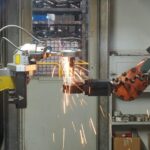
Reframe Systems, co-founded by MIT alumnus Vikas Enti, is establishing microfactories that leverage robotics and modular construction techniques to address the critical housing shortage in the United States. The company’s operational microfactory in Andover, Massachusetts currently manufactures structural panels, with robots handling wall and ceiling frame assembly. The software-driven design process enables customization to meet local building codes and architectural styles while maintaining manufacturing efficiency and cost control.
In addition to its Massachusetts operations, Reframe is developing a production facility in Southern California specifically to support rebuilding efforts following the devastating January 2025 wildfires. This expansion demonstrates the scalability and flexibility of the microfactory model in response to urgent regional construction demands. The company’s approach emphasizes the integration of digital design tools with robotic fabrication, reducing production timelines and material waste while improving construction quality and consistency.
The microfactory concept developed by Reframe has direct transferability to German serial building initiatives (Serielles Bauen) and European prefabrication programs. For German construction firms, technology investors, and municipal housing authorities, Reframe’s operational model offers insights into automation strategies and modular production workflows applicable to addressing European housing challenges and sustainability mandates.
Source: MIT News