
My Take (Arnulf Christa): Integrated deployment of BIM-coordinated prefab, mass timber, and robotic automation simultaneously cuts schedule, waste, and embodied carbon—proving that efficiency and sustainability are the same strategy, not competing goals. DACH contractors must adopt this systems thinking.
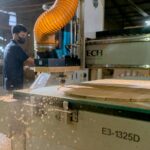
A comprehensive review of US construction industry leaders reveals accelerating adoption of integrated digital and prefabrication technologies across diverse project types. Bozzuto Construction partnered with Blueprint Robotics on a prefabricated Passive House project in Baltimore, utilizing the Blueprint Method. This approach leverages BIM technology for virtual planning and coordination before CNC-fabricated wooden frame panels are delivered precisely to site. According to the companies involved, this process accelerated the project schedule, minimized waste, and provided essential support for complex Passive House certification detailing requirements.
DPR Construction has developed a mass timber-based data center solution designed to reduce both embodied carbon footprint and operational costs. This approach combines structural efficiency with sustainable material sourcing, addressing growing client demands for decarbonized construction. Fortis Construction has implemented robotic automation for site layout processes: proprietary technology transfers building plans digitally to the construction field with millimeter precision. The robot operates autonomously across concrete slabs, printing markings directly from the digital model—ensuring every wall, utility line, and installation point is correctly positioned before construction begins.
These developments reflect a shift toward factory-controlled quality, reduced on-site waste, and algorithmic precision. The expansion of mass timber fabrication capacity—exemplified by Swinerton’s opening of Timberlab’s second mass timber manufacturing facility in Greenville, South Carolina (one of only three such hubs in the region)—parallels discussions in German construction around timber-hybrid building systems. Companies such as ALHO and KLEUSBERG are pursuing comparable methodologies, indicating that industrial timber fabrication strategies are gaining traction across international markets.
Source: Building Design + Construction